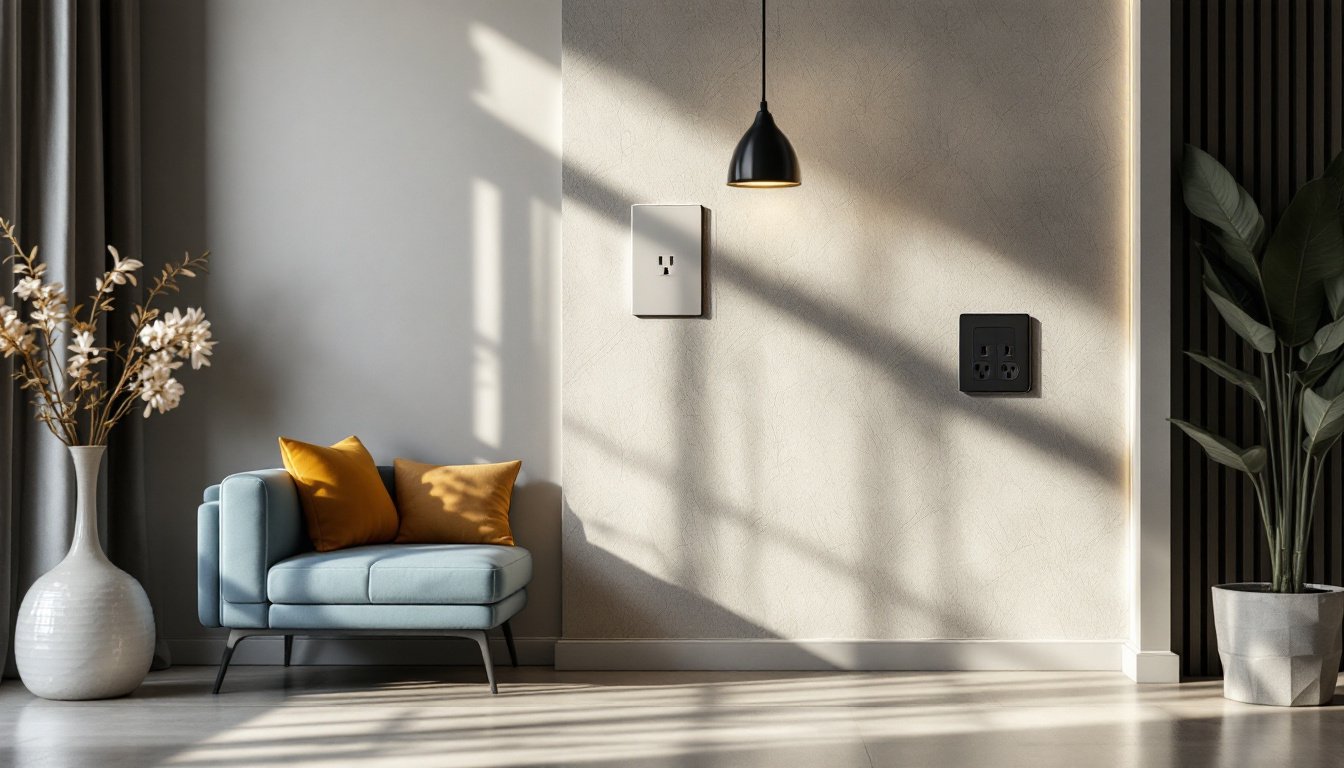
In today’s homes, the demand for electrical convenience and safety has never been higher. Traditional outlets and switches often struggle to keep up with the variety of devices, appliances, and smart home systems in use. Upgrading these components not only enhances functionality but also ensures that your home meets current safety standards. We will explore practical strategies for updating outlets and switches, from choosing the right types to proper installation practices. By understanding the options available and considering both aesthetics and technology, homeowners can create spaces that are efficient, safe, and aligned with modern lifestyles. A thoughtful approach to electrical upgrades contributes to a more comfortable, connected, and future-ready home.
Choosing the Right Outlets for Modern Needs
Selecting the appropriate outlets is critical for accommodating modern technology and daily convenience. Standard outlets, while functional for basic appliances, often fall short in homes with multiple devices or high-power equipment. GFCI (Ground Fault Circuit Interrupter) outlets are essential in areas prone to moisture, such as kitchens and bathrooms, as they prevent electrical shocks and enhance safety. Similarly, AFCI (Arc Fault Circuit Interrupter) outlets protect against fires caused by electrical arcs, making them a vital choice for bedrooms and living areas.
Beyond safety, modern outlets can include USB ports, enabling direct charging of smartphones, tablets, and other devices without bulky adapters. Additionally, outlets with surge protection safeguard sensitive electronics from power fluctuations. When planning upgrades, consider the layout and usage of each room to determine the optimal number and type of outlets, and consulting services like JDV Electric near Lansdowne can help ensure your choices align with current standards and practical needs. Investing in outlets that combine safety, convenience, and adaptability ensures your home can meet current and future electrical demands without constant modifications or replacements.
Modern Switch Options for Convenience and Efficiency
Switches play a fundamental role in controlling electrical devices, and updating them can greatly enhance both convenience and energy efficiency. Traditional toggle switches remain functional but can be replaced with more versatile options that align with contemporary living. Dimmer switches, for example, allow precise control over lighting intensity, creating ambiance while reducing energy consumption. Smart switches can integrate with home automation systems, enabling remote control via smartphone apps, voice assistants, or programmable schedules.
These switches not only provide convenience but also help manage energy usage effectively, contributing to lower electricity bills. Motion-sensor switches are another innovation, automatically turning lights on and off based on occupancy, which is ideal for hallways, closets, and outdoor spaces. When selecting switches, consider the balance of functionality and design to match each room’s aesthetic. Upgrading switches can transform everyday interactions with your home, making operations smoother while supporting modern energy management practices.
Installation Considerations and Safety Precautions
Proper installation of outlets and switches is essential to ensure both performance and safety. Homeowners should carefully plan the layout and spacing of new outlets to avoid overloading circuits. Each outlet and switch should be installed according to the manufacturer’s specifications and local building codes. It is important to turn off the power at the circuit breaker before beginning any work to prevent accidents. Using a voltage tester to confirm that circuits are inactive adds an extra layer of protection.
For complex installations, such as integrating USB ports, smart technology, or GFCI/AFCI protection, following detailed guidelines and wiring diagrams is crucial. While many homeowners can handle simple upgrades, consulting a licensed electrician ensures that the installation meets safety standards and functions reliably. Incorrect wiring or faulty installations can lead to electrical hazards, including shocks and fires. Attention to detail during installation not only improves performance but also extends the lifespan of electrical components, reducing the need for future repairs or replacements.
Enhancing Functionality Through Strategic Placement
The placement of outlets and switches is as important as the devices themselves. Thoughtful positioning can improve accessibility, convenience, and usability throughout the home. For example, placing outlets near desks, kitchen counters, and entertainment areas allows for easy connection of electronics without relying on extension cords. Bedrooms and living rooms benefit from outlets installed at convenient heights for lamps, chargers, and devices. Similarly, strategically locating switches ensures intuitive control of lighting and appliances, reducing unnecessary movement and improving daily routines.
In addition to practical considerations, aesthetics should be considered to maintain a clean and organized appearance. Coordinating switch and outlet finishes with the room’s design enhances the overall look of a space while supporting functionality. By planning placement carefully, homeowners can optimize both the usability and visual appeal of electrical upgrades, creating a home that feels cohesive, organized, and tailored to modern living needs.
Planning for Future Electrical Needs
Upgrading outlets and switches is not only about current convenience but also about anticipating future requirements. Homes are increasingly integrating smart devices, electric vehicles, and high-demand appliances that require reliable electrical access. Planning for these future needs can prevent costly modifications later on. Installing additional circuits, choosing outlets that support higher amperage, and considering future automation requirements ensures long-term functionality.
Incorporating flexible wiring options and surge protection prepares the home for technological advancements without requiring repeated renovations. By thinking ahead, homeowners can maintain a balance between immediate improvements and long-term adaptability, ensuring that upgrades remain relevant and effective for years to come. Forward-thinking electrical planning enhances both comfort and efficiency, allowing the home to adapt seamlessly to changing lifestyles, device trends, and technological innovations.
Upgrading outlets and switches is an investment in both safety and modern convenience. By selecting the appropriate devices, ensuring proper installation, strategically placing components, and planning for future electrical demands, homeowners can create a functional and aesthetically pleasing environment. Thoughtful upgrades eliminate common frustrations, improve energy management, and reduce the likelihood of electrical hazards. By focusing on both present needs and future possibilities, homeowners can cultivate spaces that are not only efficient and safe but also adaptable to evolving technology and lifestyle demands. Careful planning and execution make it possible to enjoy a home that is fully prepared for the demands of contemporary living.
About the Author