Properly functioning ductwork is essential for maintaining a comfortable and healthy indoor environment. Over time, however, ducts can deteriorate, becoming less efficient and contributing to higher energy bills, uneven temperatures, and poor air quality. We will explore the key signs that indicate your home’s duct system may be reaching the end of its useful life. Recognizing these signals early can help you plan a replacement before issues escalate into costly repairs or health concerns. While duct maintenance can extend the life of the system, some signs clearly point toward replacement rather than repair. Understanding these warning signs ensures that your heating, ventilation, and air conditioning (HVAC) system continues to operate efficiently and provides a safe, comfortable living environment for you and your family.
Noticeable Decline in Airflow
One of the most obvious indications that your ductwork may need replacement is a noticeable decline in airflow throughout your home. If certain rooms feel consistently warmer or cooler than others despite adjusting the thermostat, the ducts could be leaking or blocked. Over time, the inner lining of ductwork can deteriorate, allowing air to escape before reaching the intended rooms. Accumulated dust, debris, or mold can further obstruct airflow, making your HVAC system work harder than necessary. Reduced airflow not only compromises comfort but also increases energy consumption, leading to higher utility bills. Homeowners often assume the problem lies with the HVAC unit itself, but in many cases, the ducts are the hidden culprit. Observing inconsistent temperatures or weak airflow, especially in older homes, is a clear signal to have a Panama City HVAC contractor inspect the system for potential replacement.
Rising Energy Costs
Energy bills often reveal hidden inefficiencies in home systems. If your electricity or gas bills have been steadily increasing without a corresponding change in usage, the ductwork may be losing efficiency. Leaky or poorly insulated ducts force the HVAC system to run longer cycles to maintain the desired temperature. This strain not only increases energy consumption but can also reduce the lifespan of the system as a whole. Older ductwork made from outdated materials may not meet current standards for sealing and insulation, leading to energy loss. In addition, gaps and cracks in the duct network allow conditioned air to escape into unoccupied areas such as attics or crawl spaces, further inflating costs. Monitoring your monthly bills alongside any recent changes in airflow or indoor comfort can help determine whether aging ductwork is to blame, signaling the need for replacement rather than patchwork fixes.
Unpleasant Odors or Dust Accumulation
A clear sign that your ductwork is aging is persistent, unpleasant odors or excessive dust in your living spaces. Over time, ducts can accumulate dust, dirt, and other particles, which may be circulated throughout the home when the HVAC system runs. Mold or mildew growth inside ducts can also contribute to musty or sour smells, particularly if moisture is present from leaks or poor ventilation. Persistent odors may indicate not only a hygiene issue but also that the ducts themselves are deteriorating and need to be replaced. Homeowners might notice that dust settles more quickly on furniture and floors despite regular cleaning, which points to contamination in the ductwork. Addressing these signs promptly prevents the spread of allergens and maintains better indoor air quality, making duct replacement a necessary consideration for healthier living conditions.
Frequent HVAC Maintenance Issues
If your HVAC system requires frequent repairs or maintenance, the problem may originate in the ductwork. Aging ducts with leaks, loose connections, or damaged sections can strain the system, leading to wear and tear on components such as fans, compressors, and motors. Homeowners may notice that their system cycles on and off more frequently or struggles to reach the set temperature. In addition, unusual noises such as rattling, whistling, or banging can indicate that ducts are compromised or not properly secured. While regular maintenance can address minor issues, recurring problems often point to underlying ductwork deterioration. Replacing the ducts ensures that the HVAC system operates more efficiently, reduces the likelihood of repeated service calls, and extends the lifespan of the overall system, providing a more stable and comfortable environment.
Visible Damage or Corrosion
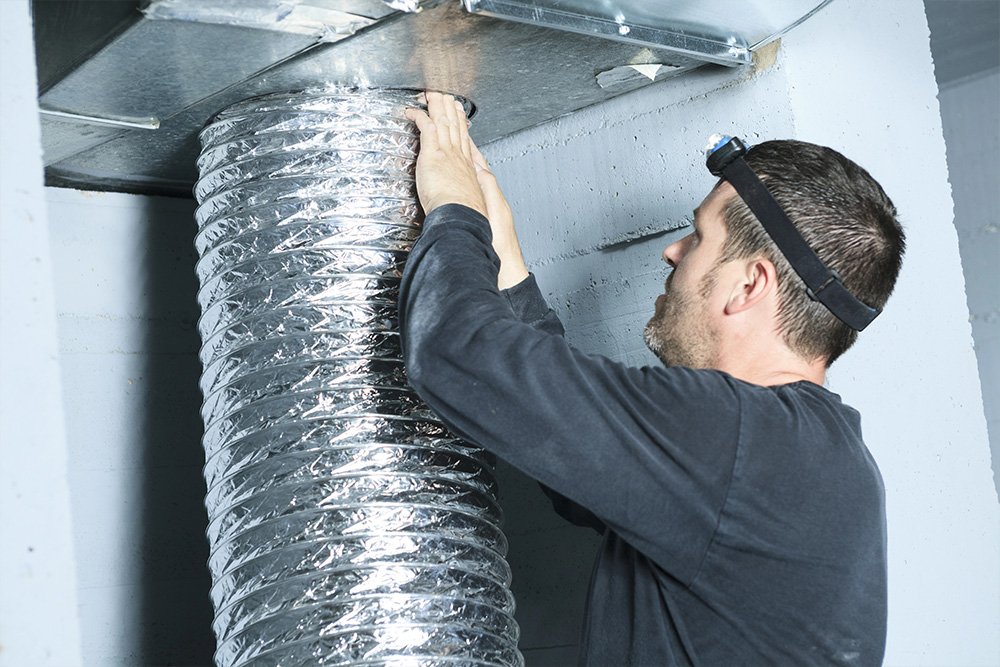
A physical inspection of the ductwork can reveal clear signs that replacement is necessary. Over time, metal ducts can rust, develop holes, or sustain other forms of damage that impair performance. Flexible ducts may tear, sag, or lose their shape, reducing airflow and efficiency. In older homes, ductwork may not be properly sealed or insulated, further contributing to performance issues and energy loss. Even small cracks or gaps can significantly affect the system’s effectiveness, making replacement more practical than attempting repairs. Additionally, corrosion or visible damage inside ducts can lead to indoor air contamination, posing health risks to residents. Identifying these signs early allows homeowners to plan for replacement, ensuring the HVAC system functions optimally and maintains a safe, comfortable indoor environment.
Recognizing when it’s time to replace your ductwork is essential for maintaining a comfortable, efficient, and healthy home. Declining airflow, rising energy bills, unpleasant odors, frequent HVAC issues, visible damage, and worsening allergy symptoms are all clear indicators that the system may be reaching the end of its functional life. Waiting too long to address these problems can result in higher repair costs, reduced system efficiency, and potential health risks. Timely replacement ensures that your HVAC system operates smoothly, provides consistent comfort throughout your home, and maintains better indoor air quality. By paying attention to these signs, homeowners can make informed decisions that protect their investment and support a safe, comfortable living environment for years to come.
About the Author