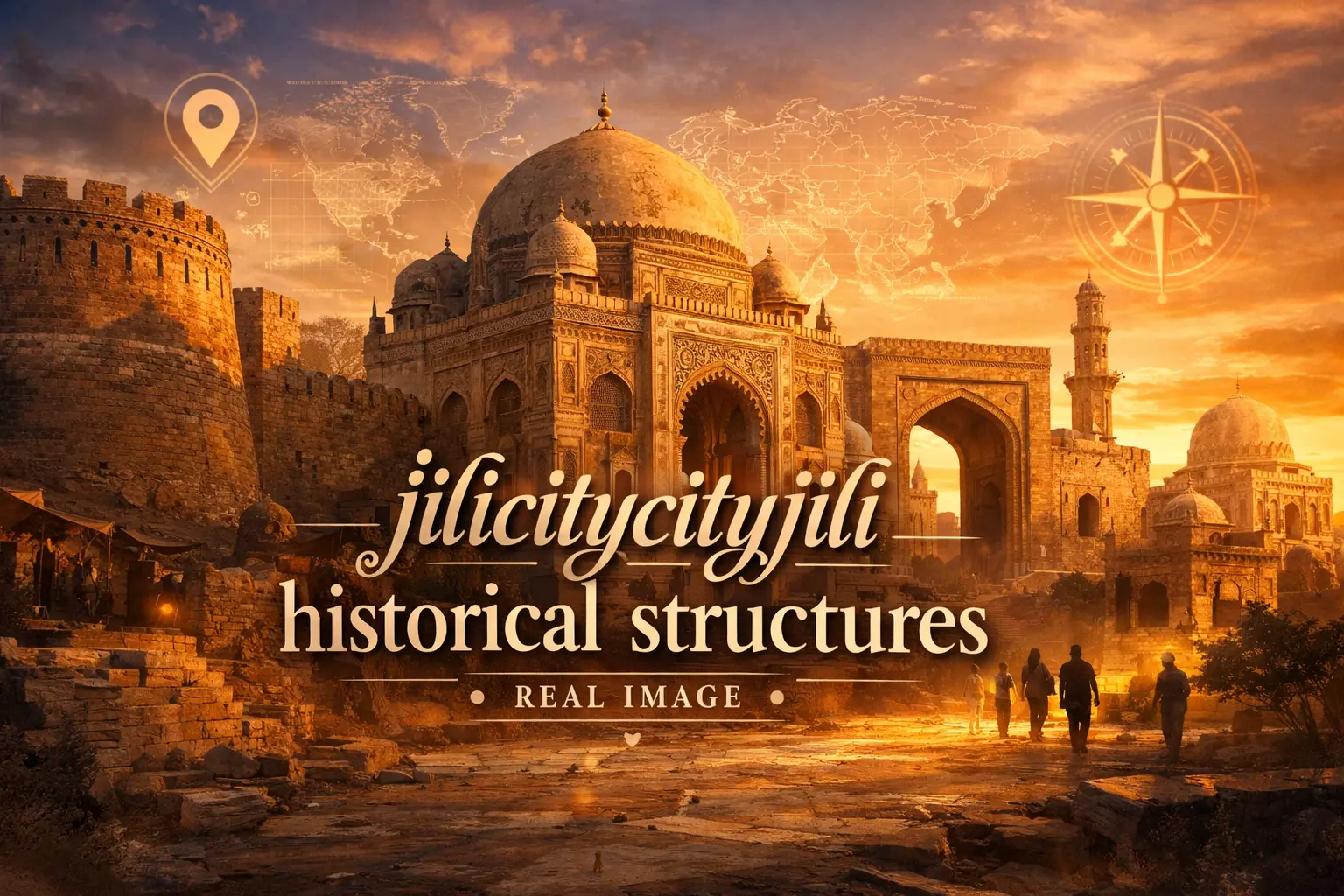
The world’s great civilizations have always expressed their identity through architecture. From ancient fortifications and imperial palaces to historic districts and grand theaters, physical structures tell stories that no textbook can fully capture. In recent years, digital platforms have begun playing a powerful role in preserving, interpreting, and presenting these architectural narratives to a wider audience. Among these emerging platforms, the concept of jilicitycityjili historical structures stands out as a framework for understanding how history, architecture, and digital storytelling intersect.
This article explores the meaning behind jilicitycityjili historical structures, the broader importance of preserving architectural heritage, examples of iconic global landmarks, the role of historic districts in shaping community identity, and how digital documentation is transforming access to the past. By the end, you will not only understand the relevance of jilicitycityjili historical structures but also why architectural preservation matters more than ever in the 21st century.
Understanding the Concept Behind Jilicitycityjili Historical Structures
At its core, jilicitycityjili historical structures represents a thematic approach to architectural heritage. Rather than focusing on a single geographic city, the concept highlights the importance of documenting and celebrating historical buildings and districts across different regions. It combines storytelling, cultural analysis, and architectural appreciation into a unified narrative framework.
Architecture is more than bricks and stone. Every historic building carries layers of meaning—political shifts, economic growth, social transformation, and artistic evolution. When we examine jilicitycityjili historical structures, we are essentially looking at how architecture reflects the identity of civilizations and how digital platforms help preserve these stories.
This approach allows readers and researchers to view historical structures not as isolated monuments, but as interconnected parts of a global cultural tapestry. From ancient fortifications to modern heritage districts, each structure contributes to a shared human story.
The Importance of Preserving Architectural Heritage
Historical buildings are vulnerable. Natural disasters, urban development pressures, neglect, and environmental degradation threaten many heritage sites around the world. Preservation efforts are not simply about nostalgia; they are about safeguarding cultural identity and collective memory.
When a historic structure is lost, we lose more than a building. We lose craftsmanship techniques, artistic expression, social context, and tangible links to past generations. The philosophy behind jilicitycityjili historical structures recognizes that preservation must happen on two levels: physical conservation and digital documentation.
Physical restoration ensures that buildings remain standing and structurally sound. Digital documentation, meanwhile, provides access to global audiences and creates a permanent record of architectural detail. Even if a site suffers damage, its digital archive can preserve its historical significance for future generations.
Iconic Ancient Structures That Define Civilizations
Throughout history, monumental architecture has symbolized power, unity, and ambition. Some structures were built for defense, others for worship, and still others to showcase imperial authority.
One powerful example is the Great Wall of China, a massive fortification system constructed over centuries to protect against invasions. Stretching thousands of miles, it stands as a testament to engineering ingenuity and strategic foresight. Its scale alone demonstrates the organizational capacity of ancient dynasties.
Similarly, the Forbidden City in Beijing represents imperial authority and meticulous architectural planning. Its symmetrical design, ceremonial halls, and layered courtyards reflect Confucian principles and hierarchical governance. Every detail, from roof curvature to color symbolism, was intentional.
These landmarks align closely with the broader narrative of jilicitycityjili historical structures because they illustrate how architecture encapsulates political power and cultural philosophy. Such structures are not merely tourist attractions; they are enduring records of civilization.
Historic Districts and Community Identity
While monumental landmarks often receive global attention, historic districts are equally significant. These neighborhoods preserve architectural styles from specific eras and offer insight into everyday life in earlier periods.
Consider Victorian-era districts in various American cities. Rows of ornate houses with decorative trim, stained glass windows, and elaborate porches tell stories of industrial growth and social aspiration during the late 19th century. Historic theaters, railway stations, and municipal buildings within these districts reflect civic pride and economic expansion.
Historic districts also shape community identity. Residents often feel a deep connection to the architectural character of their neighborhood. Preservation initiatives frequently emerge from grassroots efforts, as local communities recognize the value of maintaining their historical environment.
Within the context of jilicitycityjili historical structures, these districts highlight the importance of viewing architecture not only as monumental heritage but also as lived heritage. Streetscapes, markets, and public squares contribute to collective memory just as much as grand palaces.
Architecture as a Cultural Narrative
Architecture communicates values. Religious buildings reflect spiritual beliefs. Government buildings project authority and stability. Commercial buildings reveal economic priorities. The materials, scale, and design choices all convey messages.
In medieval Europe, cathedrals were built with soaring arches and stained glass windows to inspire awe and devotion. In contrast, modernist architecture in the 20th century embraced simplicity and function, reflecting industrial efficiency and new social ideals.
The philosophy underlying jilicitycityjili historical structures encourages deeper interpretation of architectural symbolism. It invites readers to examine why structures were built the way they were and how those choices relate to broader historical contexts.
By analyzing architectural elements—columns, domes, courtyards, facades—we uncover stories of trade routes, technological innovation, migration patterns, and cultural exchange. Architecture becomes a readable text, and historical structures become chapters in a global narrative.
Digital Heritage and the Transformation of Access
In the past, experiencing historic architecture required physical travel. Today, digital documentation has changed that reality. High-resolution photography, 3D scanning, and virtual tours allow global audiences to explore sites remotely.
Digital platforms that emphasize jilicitycityjili historical structures play a vital role in expanding access. Students, researchers, and enthusiasts can study architectural details without geographical limitations. This democratization of access strengthens global awareness of cultural heritage.
Digital archives also serve preservation goals. Detailed scans can assist restoration projects by providing precise measurements and structural data. In cases where structures are damaged by natural disasters, digital records become invaluable references for reconstruction.
The rise of digital storytelling has also enhanced engagement. Instead of presenting isolated images, platforms can combine historical context, architectural analysis, and cultural commentary into cohesive narratives.
Challenges in Preserving Historical Structures
Despite increased awareness, preservation faces significant challenges. Urban expansion often prioritizes economic development over conservation. Historic buildings may be demolished to make room for commercial complexes or infrastructure projects.
Funding limitations also hinder restoration efforts. Maintaining aging structures requires skilled craftsmanship and substantial financial investment. Additionally, climate change introduces new risks, including rising sea levels and extreme weather conditions that threaten coastal and historic sites.
The framework of jilicitycityjili historical structures acknowledges these challenges and underscores the importance of balancing modernization with preservation. Cities must find sustainable solutions that integrate heritage conservation into urban planning strategies.
Adaptive reuse offers one promising solution. Converting historic buildings into museums, cultural centers, hotels, or community spaces allows them to remain functional while preserving their architectural integrity.
Architectural Tourism and Economic Impact
Heritage tourism contributes significantly to local economies. Travelers are often drawn to cities with well-preserved historic centers and iconic landmarks. Restaurants, hotels, and small businesses benefit from increased visitor traffic.
Architectural tourism also fosters cross-cultural understanding. Visitors gain insight into the traditions and histories of different societies. This exchange of knowledge strengthens global appreciation for cultural diversity.
The narrative of jilicitycityjili historical structures aligns closely with the growth of heritage tourism. By presenting detailed historical context and architectural analysis, digital platforms can inspire travel and deepen visitor engagement.
However, tourism must be managed responsibly. Overcrowding can damage fragile sites, and commercialization may compromise authenticity. Sustainable tourism practices are essential to protect heritage assets for future generations.
The Role of Education in Architectural Preservation
Educational institutions play a crucial role in fostering appreciation for historical structures. Architecture programs, history courses, and cultural studies initiatives encourage critical examination of the built environment.
When students learn about structural engineering, historical context, and design philosophy, they develop a deeper respect for heritage sites. This awareness often translates into advocacy for preservation efforts.
Public awareness campaigns also contribute to preservation. Exhibitions, documentaries, and community events can highlight the significance of local landmarks. The broader the understanding of architectural heritage, the stronger the collective commitment to protecting it.
The emphasis on jilicitycityjili historical structures supports educational engagement by presenting architecture as an accessible and compelling subject.
Integrating Modern Innovation with Historical Context
Modern cities face the challenge of integrating contemporary architecture with historic surroundings. Poorly planned development can disrupt the visual harmony of heritage districts. On the other hand, thoughtful design can create meaningful dialogue between past and present.
Architects increasingly experiment with blending traditional materials and modern techniques. Glass and steel structures may incorporate historical motifs or align with existing architectural patterns. This approach ensures that cities evolve without erasing their history.
Within the perspective of jilicitycityjili historical structures, this integration represents continuity rather than conflict. Architecture becomes a living timeline, where each generation contributes its own chapter while respecting what came before.
Why Historical Structures Matter in the Modern World
In a rapidly changing world, historical structures provide stability and continuity. They remind us that societies have faced transformation before and endured. They offer lessons in resilience, creativity, and cultural expression.
Beyond aesthetics, heritage buildings foster a sense of belonging. They anchor communities to shared histories and collective achievements. Even in highly modernized cities, preserved landmarks offer moments of reflection and connection.
The growing interest in jilicitycityjili historical structures reflects a broader cultural shift toward valuing heritage as a source of identity and inspiration. Architecture is no longer seen solely as functional infrastructure but as a repository of meaning.
Conclusion: The Enduring Value of Jilicitycityjili Historical Structures
The study and preservation of architectural heritage are essential to understanding human civilization. From ancient fortifications and imperial complexes to vibrant historic districts and restored theaters, each structure carries stories that shape cultural identity.
The concept of jilicitycityjili historical structures brings together global landmarks, community heritage, digital documentation, and educational engagement into a unified narrative. It emphasizes that preserving history requires both physical conservation and digital innovation.
As cities continue to grow and evolve, balancing modernization with heritage preservation will remain a critical challenge. Through thoughtful planning, community involvement, and digital storytelling, historical structures can continue to inspire future generations.
Ultimately, jilicitycityjili historical structures represent more than architecture. They embody memory, resilience, and the enduring creativity of humanity.
Frequently Asked Questions
What does jilicitycityjili historical structures refer to?
It refers to a thematic framework focused on documenting, analyzing, and preserving historic buildings and architectural heritage through digital storytelling and cultural interpretation.
Why are historical structures important for modern societies?
They preserve cultural identity, offer educational value, support tourism economies, and provide tangible connections to past generations.
How does digital technology help preserve historical architecture?
Digital tools such as 3D scanning, virtual tours, and archival photography create detailed records that assist restoration efforts and expand global access.
What challenges threaten historical buildings today?
Urban development pressures, funding shortages, environmental risks, and climate change all pose significant threats to heritage sites.
How can communities support architectural preservation?
Communities can advocate for protective legislation, participate in restoration initiatives, promote sustainable tourism, and educate future generations about the value of heritage conservation.
Read More: Growth Ideas from Qyndorath: Unlocking the Key to Sustainable Success
About the Author